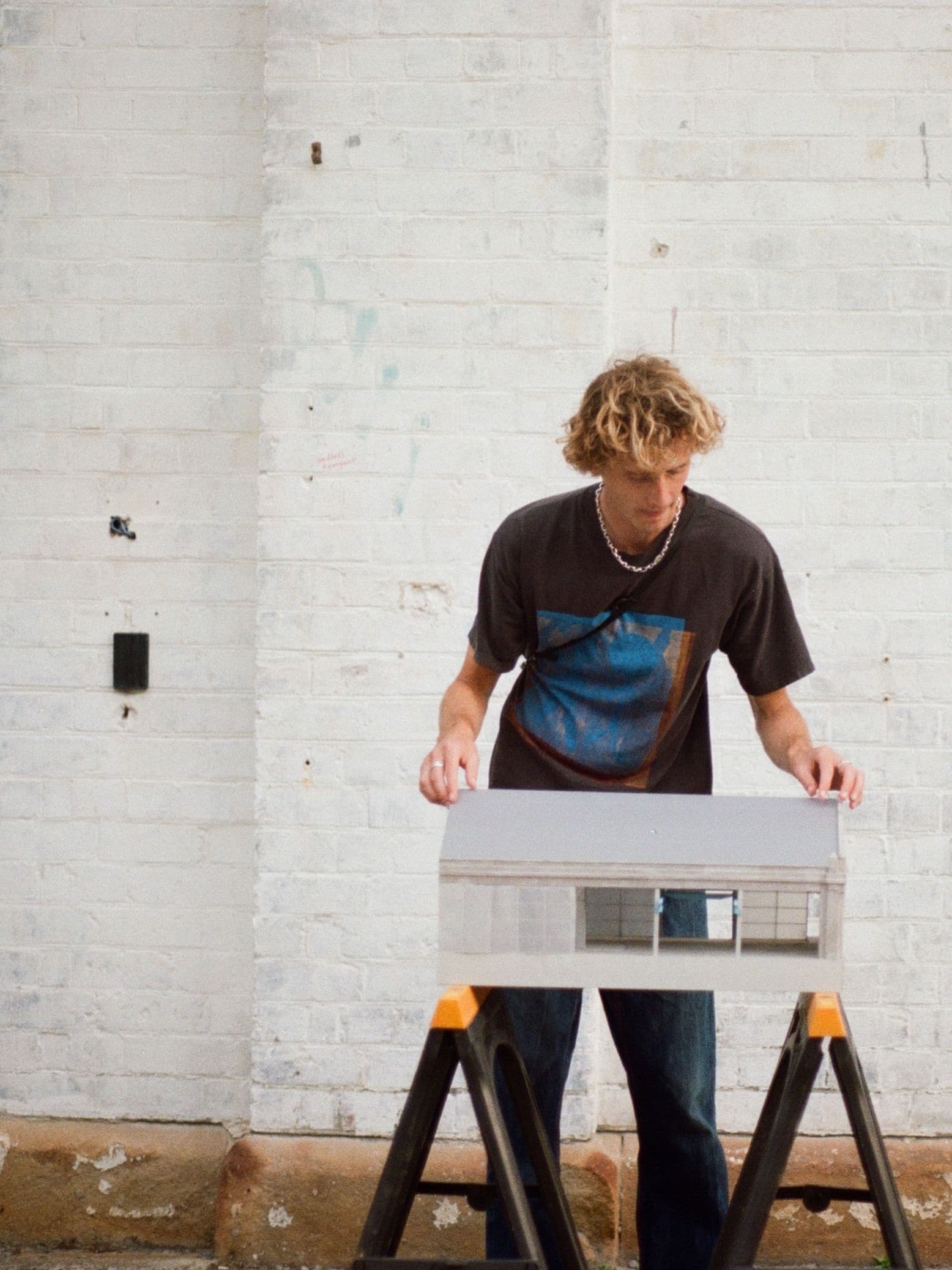
Rowan Le Sueur’s thesis considers a more open framework for cultural space
- Date
- 25.03.2026
- Filed under
- Team
There is a quiet optimism in architecture’s capacity to shape not only buildings, but relationships. And yet the discipline can often feel burdened by its own weight - compelled to build more, to formalise and to perfect.
Developed against a backdrop of rising costs and increasingly consolidated institutions, the project considers how cultural space might remain open, adaptable and autonomous. Anchored in the Newtown Tram Depot, the project draws on relational aesthetics, adaptive reuse and small-scale institutional models. It proposes a looser and more porous spatial framework: one that supports collective production, participation and shared use.
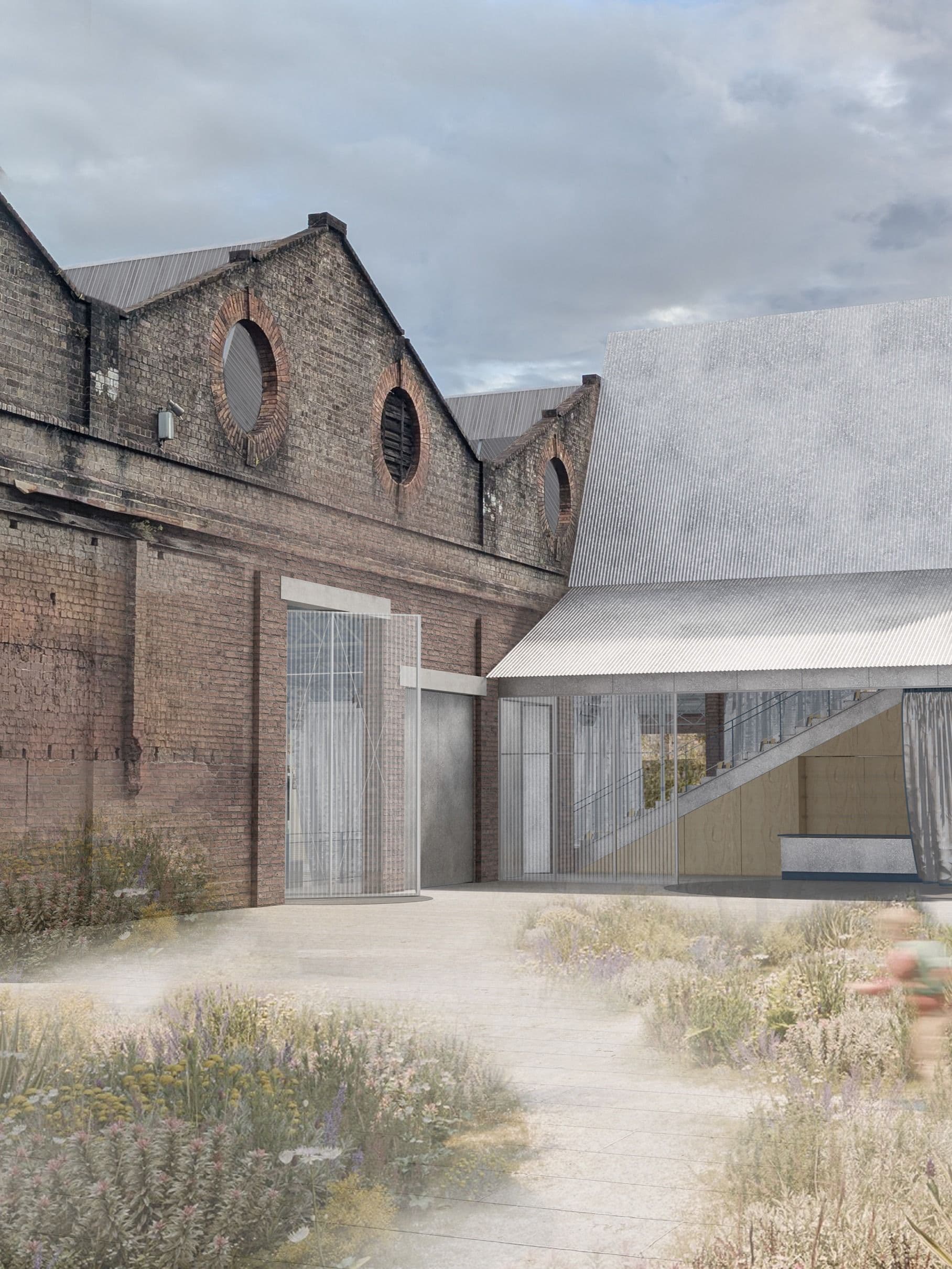
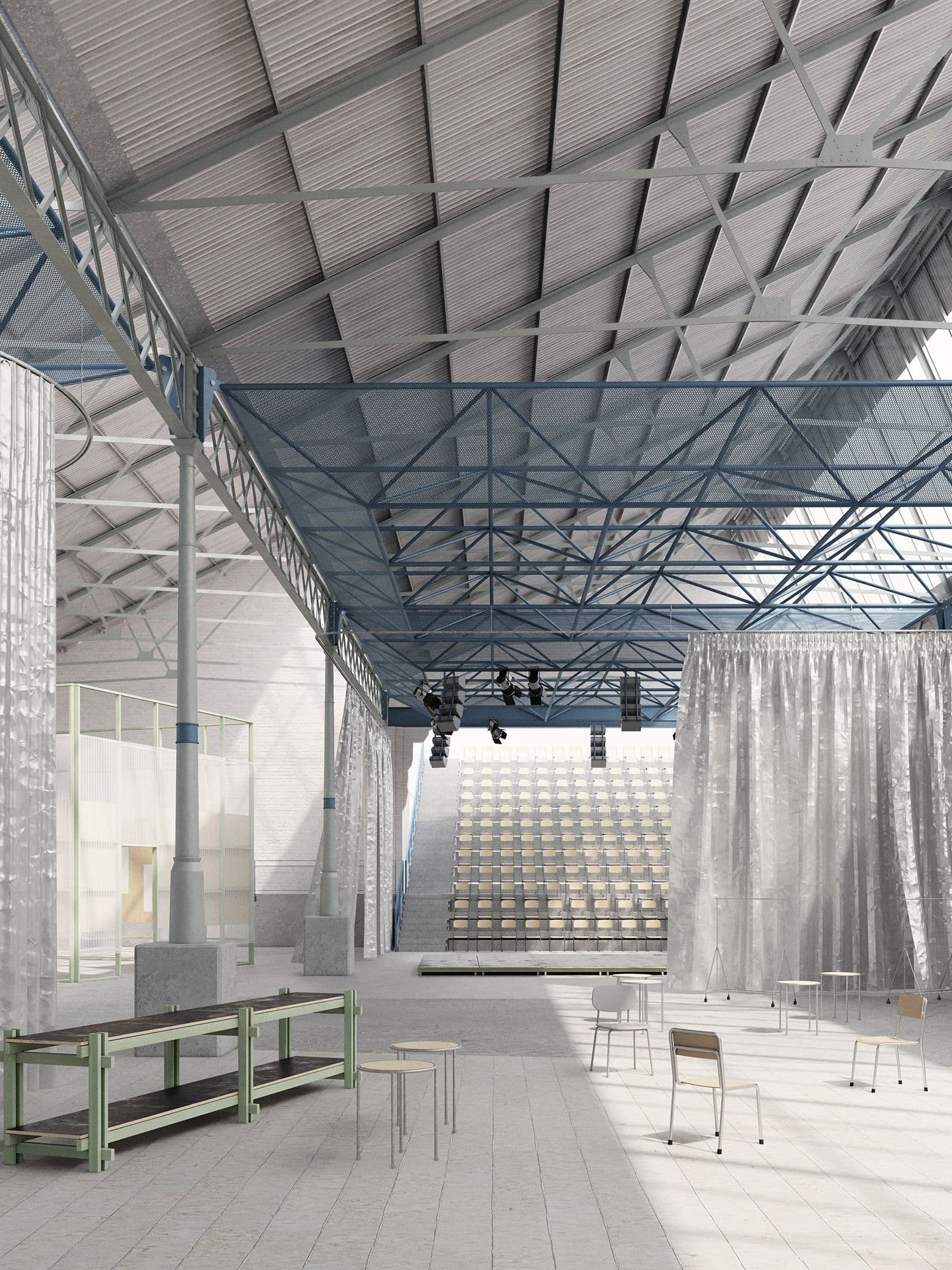
Rowan’s 2025 thesis begins with a simple provocation: what if doing less could achieve more?
The work is organised through two complementary spatial logics: anchors and fields. Anchors are highly specific rooms with a strong identity and clear spatial character. Fields, by contrast, are spaces of loose fit, not empty, but tuned through subtle cues that suggest possible uses without prescribing them.
It is in the dialogue between these two conditions that the institution emerges. Rather than being fixed or singular, it is understood as something shaped over time through occupation, exchange and collective agency.